
THE PROJECT
Anthropology inside/out.
The project seeks to understand and to challenge prevailing public perceptions of who is incarcerated, why and under what circumstances.
The central inquiry
Everyday life behind bars.
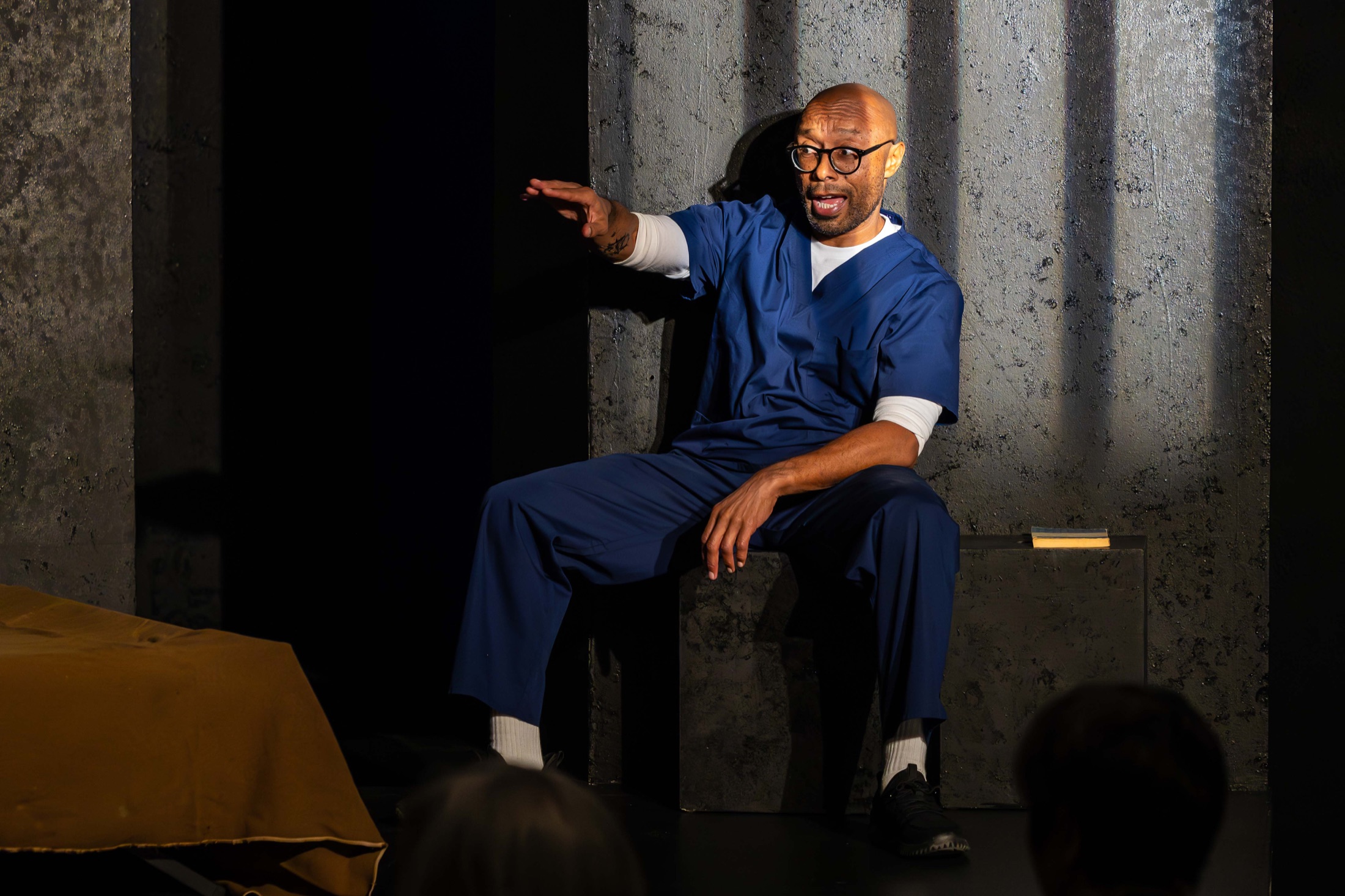
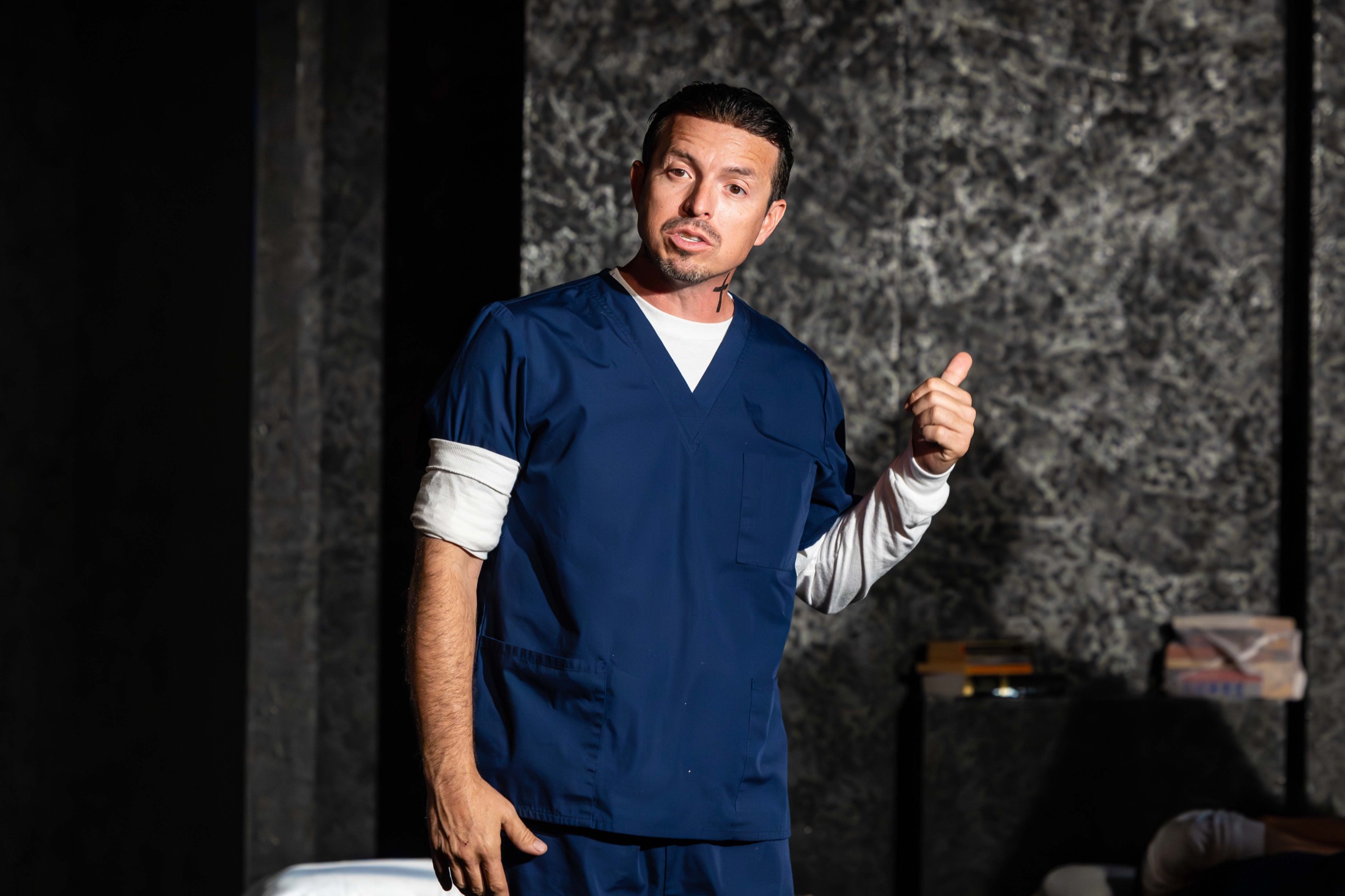
Inside Out: Men Behind Bars is based on months of engaged ethnographic research, with eight incarcerated students as Co-Principal Investigators documenting their daily lives inside prison.
This project sought to understand and challenge prevailing public perceptions of who is incarcerated, why and under what circumstances. Through the conceptual lens of autoethnography, we examined the lives of incarcerated men serving decades-long sentences in a federal prison. We explored the dynamic relationship between lived experiences on the inside and the larger social structures and processes of the criminal legal system in a quest to open a more robust dialogue between incarcerated men and the larger Tucson community outside.
This research project was funded by the Wenner-Gren Foundation for Anthropological Research’s Engaged Research Grant.
The methods
Ethnography, autoethnography and participant observation.
The project methods included ethnography, autoethnography and participant observation. Taken together these methods allow for a more nuanced understanding of what long-term incarceration may mean by providing a lens with which to view the mostly invisible, to those outside, transformations, opportunities and struggles that these men confront in their everyday lives, and that simultaneously impact the well-being of kin and community. Moreover, a critical autoethnography examines the relationship between power and knowledge production.
Knowledge and experience.
Combining knowledge and experience with an analysis of power points the way forward to civic engagement.
From inquiry to stage
Putting theory into action through dramatic storytelling.
This anthropological research project emerged over several months of classroom readings and discussions among the research team. During that time, we had multiple conversations about the value of an anthropological perspective, its ethics and the utility of an anthropological praxis for understanding their social circumstances and their embodied experiences. What became increasingly apparent to us was that there are large swaths of the American public who have seemingly little understanding of the everyday realities of life behind bars. Moreover, as the Co-PIs have noted, this is true for many of their own family members, despite the fact that they are directly affected by the carceral system.
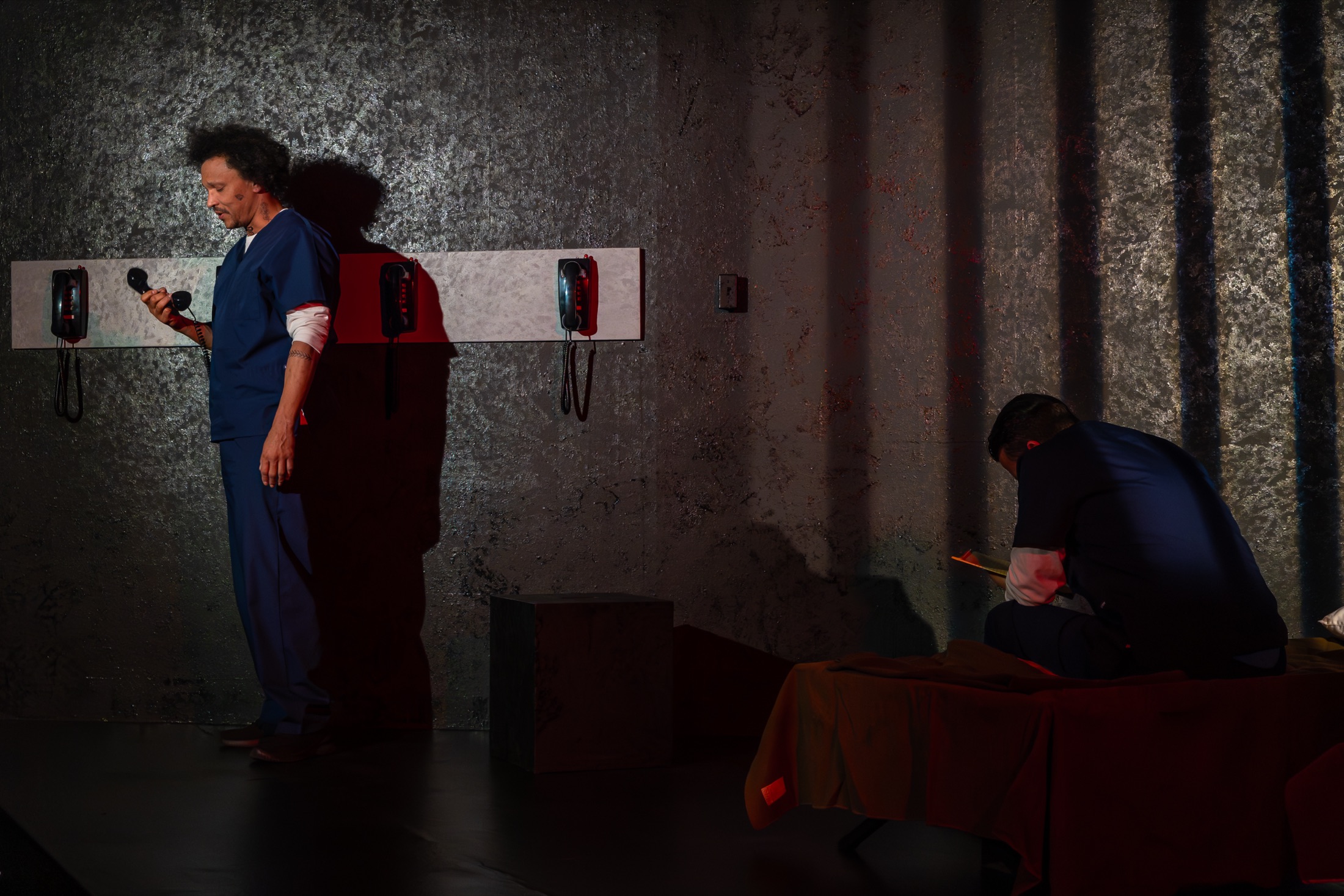
A crucial component of the project is the use of dramatic theatre performance as a platform from which to communicate to a larger public the lived experiences and legacies of mass incarceration.
Explore the production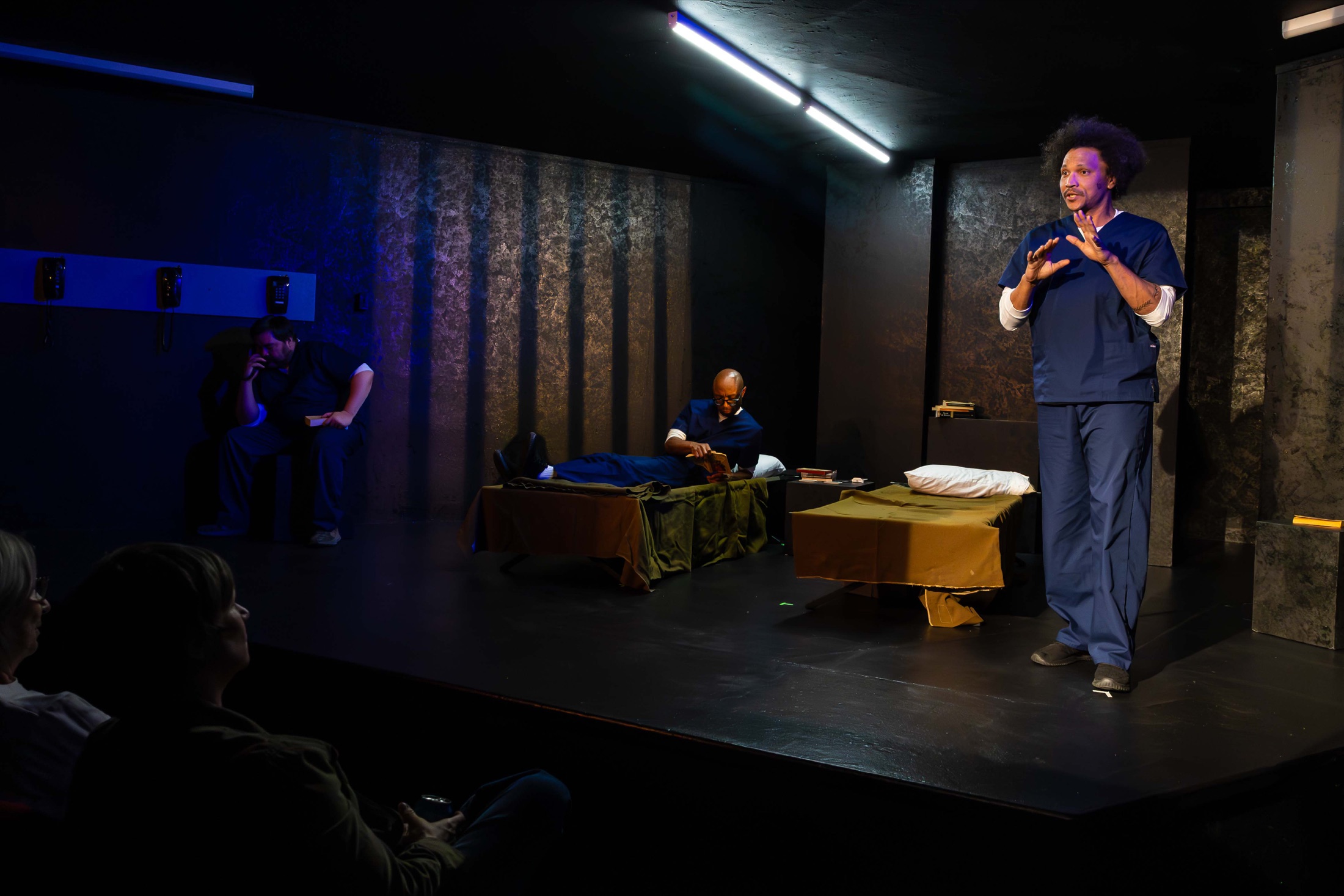
Read the complete essay, the project report at the Wenner-Gren Foundation, the published PoLAR article, and the recommended resources.

What the students wanted heard
“Our humanity.”
“What single word would capture what you want to convey to people outside?”
“Our humanity,” the students all agreed.
This educational project offers spaces for a critical reading of the world in which one can begin to make good sense of our experiences within the larger context of lived histories.
Read Anthropology Inside/OutThe researcher
Meet Linda Green.

LINDA GREEN / PhD, MPH
Linda Green is a professor of socio-cultural anthropology at the University of Arizona. Since 2018 she has taught Anthropology as a volunteer to incarcerated men at the AZ State Prison Complex and at the Federal Corrections Institution, both in Tucson.
She is the project’s Principal Investigator, working with eight incarcerated students as Co-Principal Investigators.
Her long-term anthropological research focuses on the multi-dimensional aspects of violence directed against vulnerable, indigenous populations in three locales; Guatemala, at the US-Mexico border and in rural Alaska.
Explore education inside