
Access revoked
In a “tough on crime” political climate, the Violent Crime Control and Law Enforcement Act revoked access to Pell Grants for people in federal and state prisons.
HIGHER EDUCATION INSIDE
A classroom can be a site of empowerment, mutual engagement and dignity.
Education as the practice of freedom
The classroom then becomes a location of possibility; a site of empowerment and potential liberation, a place of mutual engagement, a space where learning and overall life experiences comingle.
Education may influence positively one's self-esteem and self-confidence, cultivating a practice of self-reflection and self-awareness that can lead to a life of self-determination.
A space of courage and of hope, where dignity is essential.
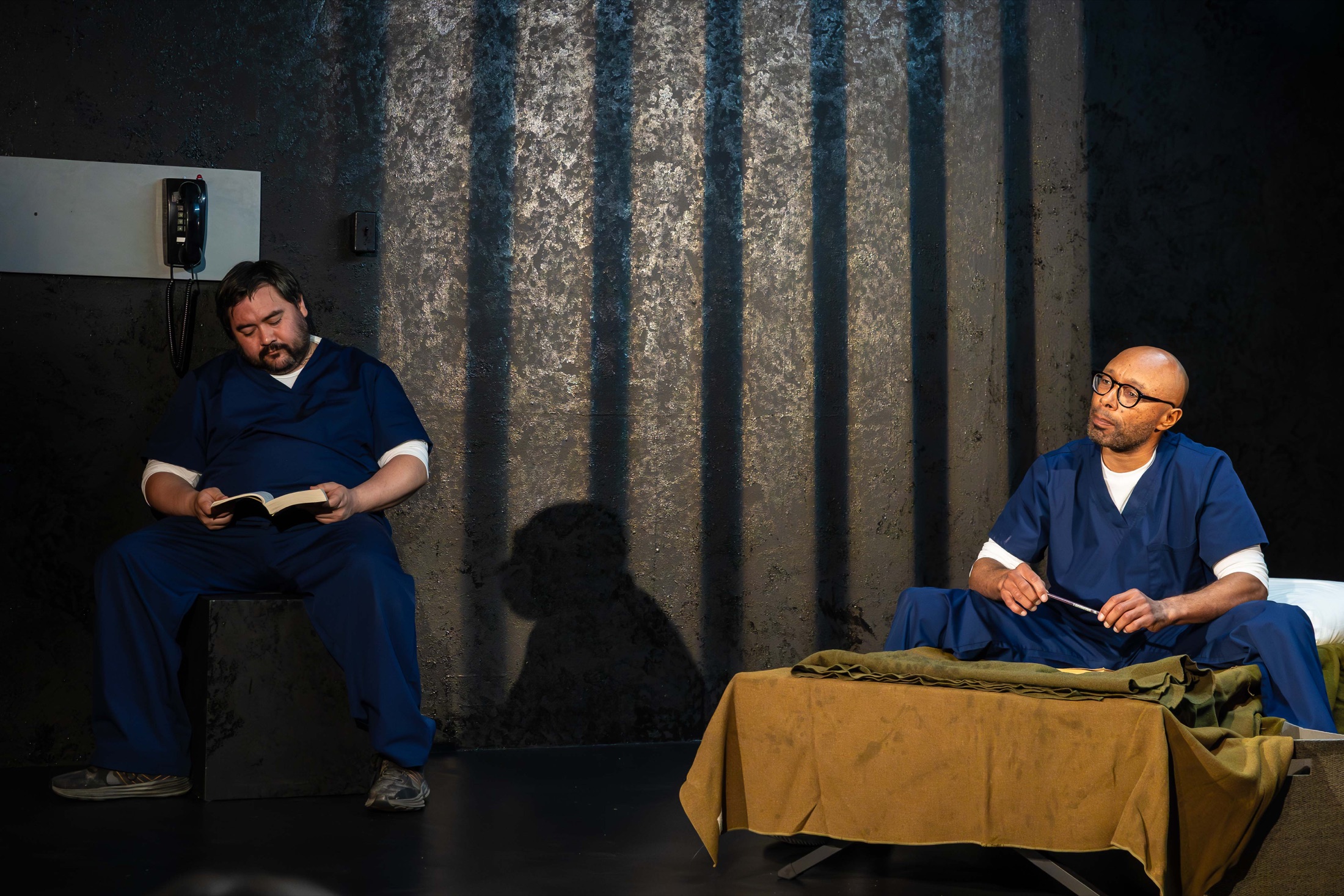

Higher education inside
In a “tough on crime” political climate, the Violent Crime Control and Law Enforcement Act revoked access to Pell Grants for people in federal and state prisons.
The Second Chance Pell experiment opened a limited path for participating colleges to offer educational opportunities inside.
Pell Grant eligibility returned for incarcerated students enrolled in an eligible prison education program. Access still depends on approved programs being available.
The Alliance for Higher Education in Prison’s 2020-2021 landscape report identified 396 higher education in prison programs and 572 affiliated academic institutions. The figures describe that academic year, not current availability.
Federal custody and Arizona reentry
Inside Out was developed with men incarcerated at FCI Tucson, a federal institution whose population includes people from communities across the country. Educational programming during incarceration is administered through the Federal Bureau of Prisons. The Arizona and Tucson resources collected here are intended for people returning to Arizona, their families and support networks, and members of the surrounding community.
Official information on literacy, GED, English-language, adult continuing education, library and vocational programs in federal institutions.
Explore BOP education ↗ FEDERAL INSTITUTION / TUCSONOfficial institution information and the current admissions and orientation handbook. Course availability should be confirmed with the institution's Education Department.
Visit FCI Tucson ↗ COMMUNITY REENTRY / ARIZONAFind local and statewide education, employment, housing, health, legal and family support, including Second Chance Tucson.
Search Arizona resources ↗The Inside-Out Prison Exchange Program brings students inside and outside prison into shared classes. The Bard Prison Initiative offers college coursework and degree pathways in New York prisons.
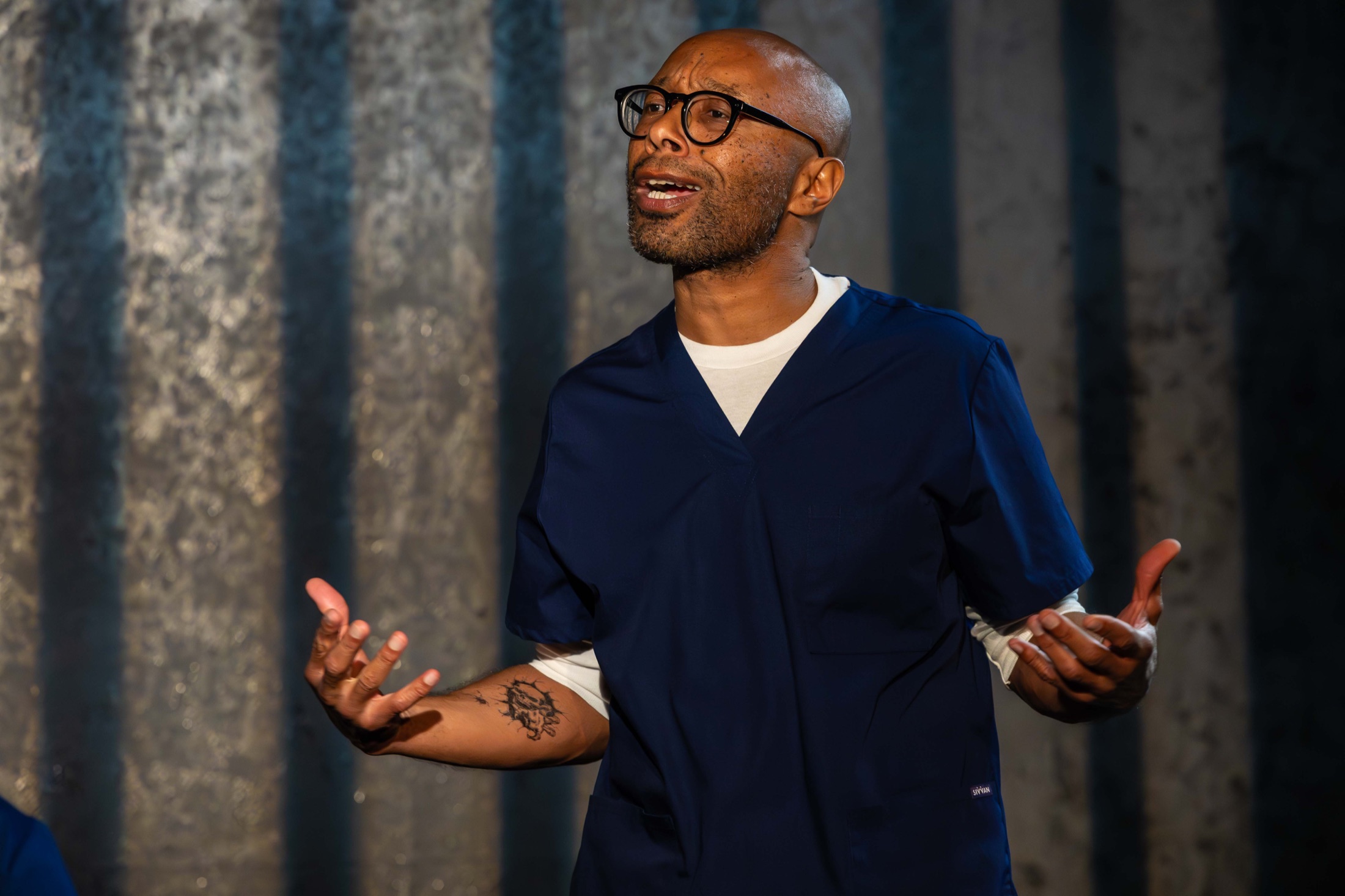
Inside the classroom
The anthropology classes operate on a volunteer basis, with several professors per semester offering their time.
The resources inside are quite limited; there is no access to an academic library or JSTOR. With a small donor grant, instructors are able to buy copies of books and articles for their classes.
The students receive no college credit. With no access to computers, the students write by hand their weekly critical reflections.
The wider purpose
John Berger, the British writer and philosopher, noted that experience combined with knowledge points the way forward. Berger's understanding of education as the interplay between experience and knowledge in relation to historical processes is insightful.
In this dynamic, experience informs knowledge then re-informs experience, thus providing the entry point to a public life founded on the democratic values of equality, justice and freedom.
Education in this sense is crucial to individual agency - a sense of control over one's life and as a public citizen.
The intellectual tools “to see, to think, to act,” formulated by Paulo Freire, allow us to see the world anew. A critical accounting takes into consideration not only what was done, but crucially what needs to be done.
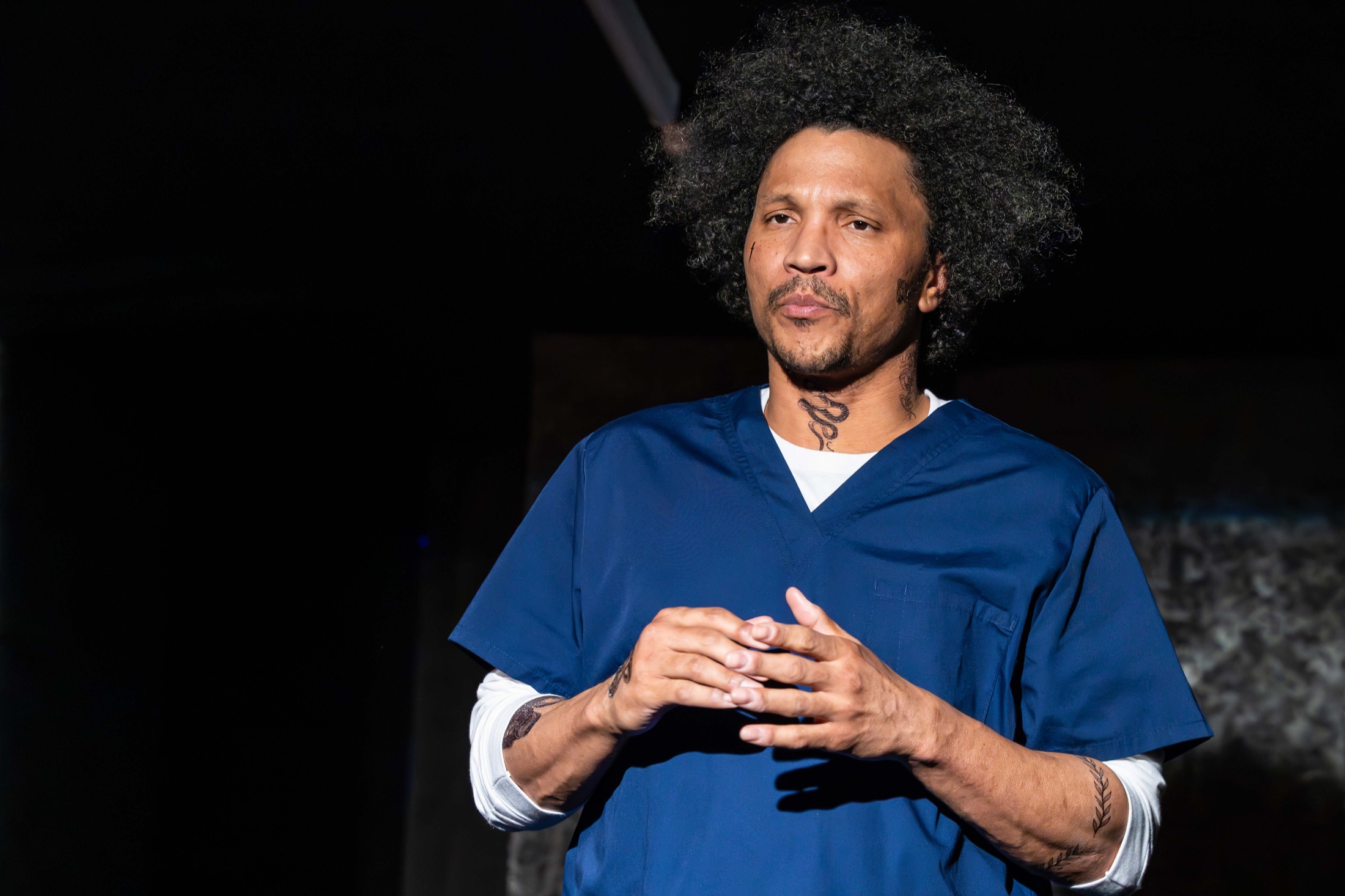
The benefits are key to the development of public intellectuals whether or not they have received an advanced degree and whether or not they are incarcerated.
A 2013 RAND meta-analysis found that participants in correctional education had 43% lower odds of recidivating than nonparticipants. See the U.S. Department of Education for Pell eligibility in approved prison education programs.
Find education programs and GED listings in the resource directory.
Explore further